
Vol. IV, No. 4, April 2026
- Editor's corner
- Master planning for farm markets that also host festivals
- How to increase your per-capita sales and improve your marketing
- Avoid dividing your guests by generation or age.
- Families vs. couples and singles: a new value equation
- How to Turn Your Agritourism Venue into a Must-Visit Experience
How to increase your per-capita sales and improve your marketing
Back in the 1980s, economist Richard Thaler introduced the idea of mental accounting — the concept that people don't see money as a single bucket. Instead, they mentally categorize it based on when they plan to spend it.
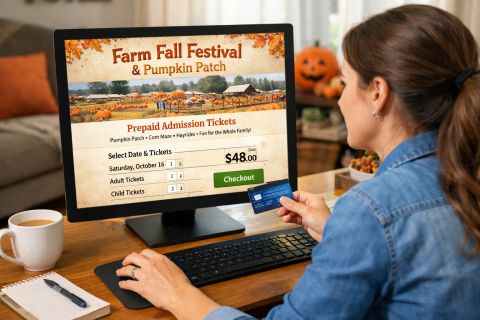
Mental accounting involves guests mentally dividing money into different "buckets" like tickets, food, and shopping. Paying in advance for admission online shifts the ticket cost into a previous bucket; the pain of paying occurs at home, not at the farm gate. By the time visitors arrive, admission feels separate from the visit, making the day seem as if it is "already paid for. This reduces resistance to extra spending, especially on discretionary items that enhance enjoyment.
Separating the admission payment from on-site purchases is important. When visitors pay at the gate, they face a large upfront cost, which can make them more cautious about spending on extras like another drink, a bigger pumpkin, or a cute farm-branded T-shirt. Conversely, if they buy their admission online in advance, the on-site experience feels less costly, reducing the psychological barrier to buying add-ons. Once they've paid for admission, guests are more likely to enjoy their visit fully by making additional purchases.
Pre-selling add-ons alongside admission taps into the same mental accounting psychology but goes a step further. Instead of just prepaying for entry, guests also prepay for specific add-ons and upgrades: a food-and-drink bundle, a pumpkin allowance, or a hayride upgrade. Each of these pre-sold add-ons is mentally viewed as "already spent," changing how the cost of the visit is perceived. On the day of the visit, redeeming these items feels like using benefits rather than spending money.
Effective pre-sold add-ons might include "Harvest Packs" that package admission along with a drink and a cider donut, or a "Pumpkin Plus" option offering a pumpkin of a certain size or a train ride. You can also offer family packs that include multiple drink credits and a large bag of kettle corn. When guests buy these in advance, the farm visit feels like a value-packed deal rather than a series of separate charges. This feeling encourages guests to add more extras, such as upgrading to a larger pumpkin, ordering another round of cider, or picking up a few extra items from the farm market.
Pre-sold add-ons should still create opportunities for on-site upselling. If all core needs are fully met by pre-sell purchases, guests might feel they've "done" their spending. A more effective approach is to include good value in the pre-sold bundles while offering attractive premium upsells on-site. For example, the online bundle could include a standard pumpkin, while the field signage highlights premium varieties or jumbo pumpkins at a small extra cost. The psychological step from "I already have a pumpkin included" to "I'll pay a bit more for that truly special one" is smaller than the leap from zero to full price.
Pre-arrival communication plays a vital role in the overall strategy. When confirmation emails list the add-ons they've already purchased, such as "Your visit includes admission, two drink credits, one pumpkin up to medium size," guests start visualizing their visit and imagining how they will use these features. This mental preview builds their emotional connection and increases the chances of additional purchases during their visit. For example, a family with four drink credits might decide to splurge on an extra dozen cider donuts to take home.
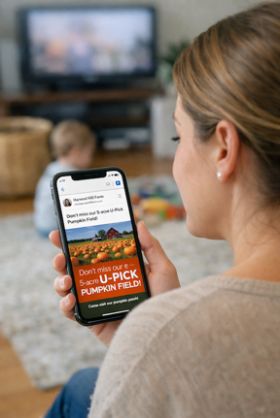
Confirmation emails and reminder messages can subtly boost the guest's mental "today's fun" budget by emphasizing on-site activities: "Try our wood-fired pizza," "Don't miss the U-pick pumpkin field," or "Visit the farm market for jams, honey, and gifts." By highlighting these experiences before the visit, guests start planning, both emotionally and financially, to spend on them. They might even set aside extra money or increase their credit card limit for those specific items, increasing their chances of making a purchase.
There are pitfalls to watch out for. Overloading the online checkout with too many add-on options can cause decision fatigue and make the total cost seem overwhelming, leading some guests to spend less both before and during their visit because it appears too expensive. A better approach is to offer a small number of clear choices: a basic admission ticket and one or two curated add-on options or bundles. This method uses mental accounting without turning the purchase into a budgeting chore.
When admission and key add-ons are paid upfront, the guest's mindset shifts, and the farm day becomes a series of benefits they look forward to rather than a list of charges they want to avoid. In this mindset, well-presented, easy-to-buy extras such as larger pumpkins, extra food and drinks, additional fees for specific experiences like a zip line ride, and appealing retail items are more likely to be viewed as small treats rather than unwanted new expenses.
Encourage online pre-visit admissions and add-on purchases by restricting gate access on the busiest days and offering discounts on online admission prices. For example, clearly communicating across all platforms—website, social media, emails—that only 70 admissions will be available at the gate on certain days will boost pre-purchases.
For pre-purchase discounts, aim for 10-30% off regular admission; enough to be appealing but not so much that it devalues your perceived worth. Use simple tiered pricing, such as: "Super Early Bird" (largest discount, around 30%), "Early Bird" (about 15%), then "Standard" with clear cutoff dates or quantity limits like the first 100 to create urgency. Pair the early bird discount with value-adds like drink vouchers, small pumpkin credits, or a bag of kettle corn, which work especially well for agritourism. Promote early bird pricing through email, social media, and your website with clear, urgent messages: "Get a premium cider donut with every admission when you book your farm visit by August 31st." "Save 25% on this bundle when you book by August 31st."
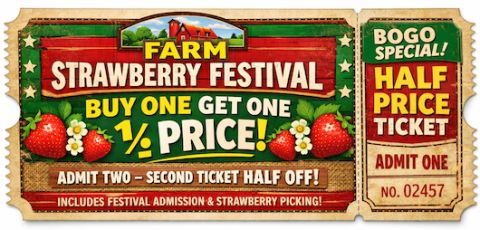
Integrated Insight's May 2025 survey of 2,570 U.S. consumers involved in out-of-home leisure activities found that ‘buy one, get another half price' was the most attractive discount, even more appealing than saving 25%, which would have provided the same savings.
However, BOGO half-off isn't ideal for events with only a single attendee, like workshops, because people's perception of the "real' value shifts to the discounted rate. This makes standard individual pricing seem expensive. Single attendees see couples getting a discount they can't, which reduces satisfaction and perceived value, even if the original single ticket price is fair.
The fear of bad weather might stop people from buying tickets in advance for specific dates unless you clearly explain a rain-day policy that allows admission on different dates for the same event or offers a refund if that's not an option.
Pre-purchasing admissions provides several benefits, beyond just the mental accounting benefit of boosting overall per capita spending.
- More accurate attendance forecasts: Pre-sold tickets offer a clearer view of expected visitor counts by day, supporting improved staffing, inventory, and food and beverage planning.
- Shorter lines and faster entry - When many guests buy tickets online, on-site gate times decrease because you can fast-track prepaid visitors, reducing perceived hassle and line abandonment.
- More detailed customer data - Online pre-purchase gathers names, emails, visit dates, and sometimes ZIP codes, creating a foundation for segmenting guests by type, such as families or couples, and by the event they attended. This allows you to develop more targeted marketing strategies.
- Ongoing communication - With contact data, you can send pre-arrival messages and post-visit offers such as season passes, special events, farm store LTOs, and promotions.
- Lookalike marketing - After identifying your guests for various events, you can instruct ad platforms (Meta, Google) to find more people who "look like" them.
- Performance tracking - You can identify which campaigns, emails, or social media ads actually result in ticket sales instead of just clicks. You can also track revenue and ROI by channel (e.g., "email series A drove $X in early bird sales; Instagram ads drove $Y").
Offering and promoting online pre-purchase admissions and add-ons increases guest spending per person, improves the guest experience, allows for better management, and creates strong marketing opportunities.
Subscribe to Agritourism Today
Vol. IV, No. 4, April 2026
- Editor's corner
- Master planning for farm markets that also host festivals
- How to increase your per-capita sales and improve your marketing
- Avoid dividing your guests by generation or age.
- Families vs. couples and singles: a new value equation
- How to Turn Your Agritourism Venue into a Must-Visit Experience