


Vol. IV, No. 2, February 2026
2026 food and flavor trends you can capitalize on
It's that time of year when agritourism businesses plan for the upcoming season. Here are a few of the top 2026 food and flavor trends to consider incorporating into your food and beverage menu this year to increase the appeal of your different events.
Protein-rich food
First up is protein maxing. Currently 70% of consumers are trying to consume more protein in their diets. High-protein options are appearing on fast-casual restaurant menus. Major chains have been rolling out new menu items, and in some cases, entire menus dedicated to protein. Here are just a few examples:
- Dunkin has added protein milk for coffees, lattes, matcha, and Refreshers
- Blaze Pizza launched a limited-time "Protein-zza pizza
- Smoothie King debuted a 100-gram Protein Pack, a bundled offering designed to help customers reach their full-day protein target in one stop.
- Subway rolled out Protein Pockets, soft tortilla wraps with more than 20 grams of protein
- Jack in the Box now has Protein Bowls, with the chicken bowls containing up to 35 grams of protein
- Starbucks has protein lattes and protein cold foam
- Chipotle has a High Protein Menu
- El Pollo Loco doubled the amount of chicken on its three new salads to push them past the 50-gram mark.
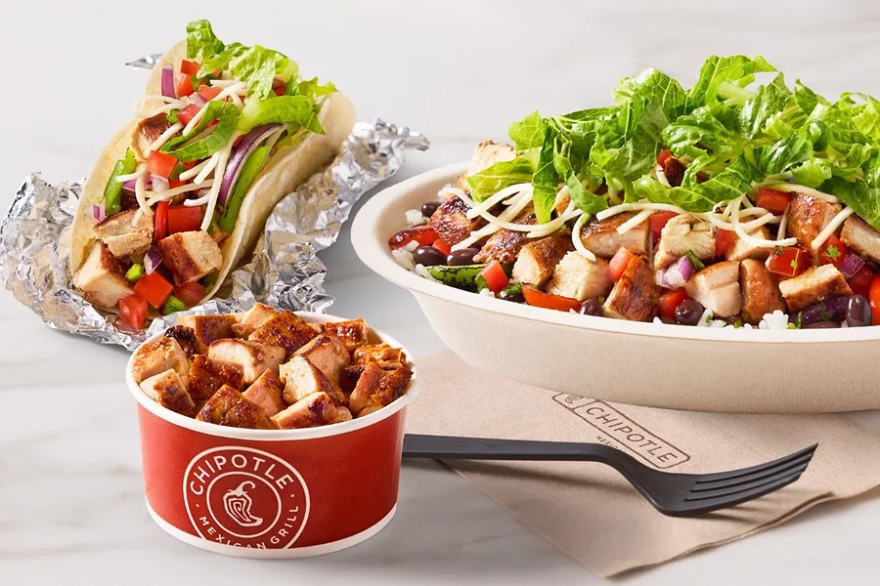
Chipotle Mexican Grill has introduced a high protein menu. The menu includes such offerings as the double high protein bowl, the high protein fiber bowl, the double high protein burrito, and the adobo chicken taco. Each item offers between 15 and 81 grams of protein per serving. The company has also launched a snack offering with the high-protein cup. The item features adobo chicken bites with 32 grams of protein per serving.
And if you've been to the supermarket recently, it's hard to miss how protein is being added to everything, from high-protein cereals, breads, salty snakes including chips, pretzels and crackers, sweet snacks such as cookies and brownies, pasta and noodles, frozen foods like French toast and waffles, and sodas and other drinks just to mention a few categories.
The main drivers of the trend are:
- Aging - Older adults are being advised to increase protein to preserve muscle and function
- Weight management: Surveys report that people associate high protein with easier weight loss, better body composition, and seek high‑protein foods specifically for weight control.
- Fitness: People bump up their protein when they work out because it helps them build or keep muscle, recover faster, and often manage body fat more easily.
- GLP-1 drugs suppress appetite and lead to much smaller portions, so clinicians and dietitians emphasize getting "more nutrition per bite," especially protein.
- The new U.S. dietary guidelines for Americans urges people to increase their daily protein intake
Fiber-rich food, fiber-maxxing
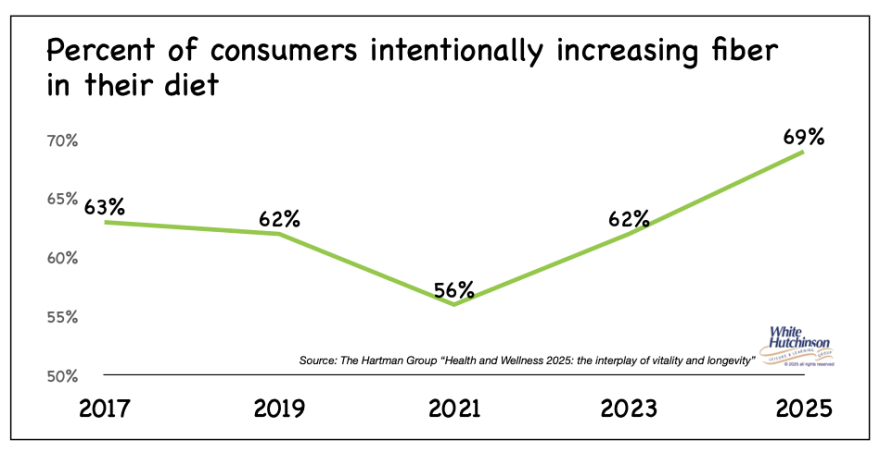
As protein claims approach saturation, the Hartman Group's research signals a clear shift. Consumers are increasingly turning to fiber to improve digestion, metabolic health, and everyday wellness. Social trends like "fiber‑maxxing" and the use of GLP-1 are pushing consumers to seek more fiber per bite, especially in bars, drinks, and "functional" snacks.
Cabbage
Eater Today describes the trend this way, "The word on the street (i.e. the internet) is that the cruciferous vegetable is poised to be the 'it' veggie of 2026.” In a piece from last month, Business Insider called 2026 the "year of the cabbage," and noted that it has been quietly gaining consumer popularity thanks to its low cost, high fiber content, and potential gut health benefits. Meanwhile, Pinterest splashed images of cabbage ware dishes across its 2026 trend predictions under the banner "Cabbage Crush."
Swicy evolves
“Swicy" (sweet + spicy) flavor has been a popular food trend combining sugary notes with a fiery kick. Swicy has taken over menus and grocery aisles with products like hot honey, chili mango glazes, and spicy caramel desserts, appearing in everything from hot honey on pizza and sriracha chocolate to spicy cocktails and glazed salmon. Brands like Chipotle and Starbucks have embraced the trend with items like Chipotle Honey Chicken and a Hot Honey Espresso Martini. Swicy is not a new concept, but a modern term for ancient pairings found in many cuisines, which has now gone mainstream through social media and innovative restaurant dishes.
In addition to “swicy” we are seeing the rise of other "sw" flavor mashups, including Swalty (sweet + salty), Switter (sweet + bitter), and Swavory (sweet + savory), reshaping how consumers experience food. This trend is expected to accelerate in 2026.
Swalty has already gained traction with indulgent pairings like miso chocolate chip cookies and salted caramel ice cream. Swavory and Switter are poised to gain momentum as consumers seek more adventurous and unconventional flavor experiences. Swavory blends sweet elements with umami-rich ingredients—think maple chili rubs, cocoa-spiced BBQ sauces, and fruit paired with aged cheeses or smoky meats. Switter describes products or dishes that deliberately balance noticeable sweetness with a distinct, lingering bitterness (think dark chocolate, coffee, Negroni-style aperitivo notes, burnt sugar, grapefruit pith, hops, etc.). These "sw" trends are driven by Gen Z's appetite for bold experimentation and social media's amplification of visually striking, flavor-forward foods.
Black Currant

McCormick has officially named black currant its 2026 "Flavor of the Year," highlighting it as a bold, tart‑sweet berry expected to show up widely in foods and drinks. Many trade and consumer sources call out black currant (and dark sweet cherry) as leading berry flavors for 2026, tying it to themes like "attainable opulence," heritage fruits, and complex, botanical profiles in beverages and desserts.
How you can adopt the trends
It's not too hard to adopt these trends in your food and beverage offerings. Just like Chipotle, you can beef up the amount of protein in some of your foods, and of course, highlight it on your menu. You can add protein powders (whey, casein, soy, pea, blends) to drinks, smoothies, milkshakes, soups, or baked goods, where a typical scoop (20-25 g) will substantially raise the protein content.
For fiber-maxxing, use whole‑grain and high‑fiber flours in baked goods, add beans and lentils to soups, salads, tacos, and bowls (black beans, chickpeas, lentils) and offer them as standard sides in place of fries. Create clearly labeled high‑fiber items and call out grams of fiber or "good source of fiber" on menus for guests who are fiber‑conscious.
The options for swicy mashups are unlimited. Here are just a few:
- Use a gochujang + honey (or brown sugar) sauce on wings, tenders, burgers, cauliflower bites, or grain bowls.
- Toss wings, shrimp, or cauliflower in a mango‑habanero or pineapple‑jalapeño glaze; use as a dipping sauce for chicken strips or as a drizzle on tacos.
- BBQ‑chipotle chicken pizza with a honey‑chipotle swirl
- Honey‑sriracha or honey‑chipotle mayo on fried chicken or burgers.
- Use espresso or strong coffee, along with cocoa powder, in a lightly sweet BBQ sauce for wings, ribs, and burgers.
- Dark chocolate-orange soft‑serve: High‑cocoa dark chocolate base with candied orange peel or a bitter‑orange ripple.
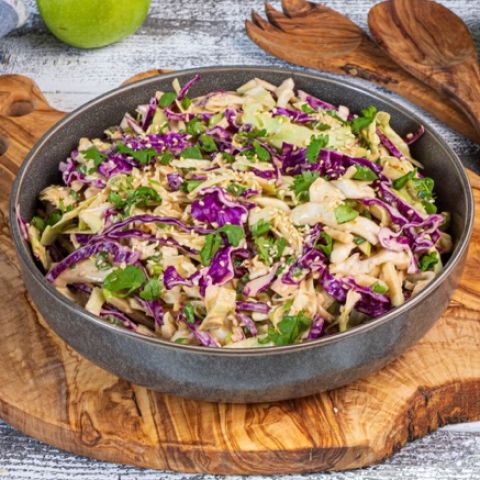
The growing popularity of cabbage opens up the possibility for different-flavor cabbage slaws, such as:
- Korean kimchi‑style slaw: shredded cabbage with kimchi, gochujang, sesame
- Champagne‑vinaigrette slaw: green cabbage plus radicchio or purple cabbage, herbs, and almonds in a champagne or white‑wine vinaigrette—lighter than mayo
- Mango or pineapple slaw: classic mayo/vinegar base but with add‑ins like celery seed, Dijon, pickles, or herbs; still familiar but more "chef‑" Mango or pineapple slaw: cabbage, carrot, scallion, and diced tropical fruit with chili‑lime vinaigrette.
- Kimchi (Korean-inspire) slaw: fold chopped kimchi into shredded cabbage with lime or rice vinegar and a bit of sugar; works incredibly well on pork or chicken tacos and burgers
- Other Korean‑inspired slaws are basically crunchy cabbage plus an acidic, sesame‑forward dressing with gochujang or gochugaru for heat and a little sweetness.
Black currant has many easy applications. You can:
- Stir it into lemonades, iced tea, and sodas
- Drizzle it on desserts, including vanilla ice cream
- Shake it into a signature cocktail/ NA mocktail
- Use a black currant compote for a meat glaze
- Use a black currant hot honey drizzle on pizza
- Make a black currant BBQ sauce by blending in black currant jam/puree plus a splash of vinegar
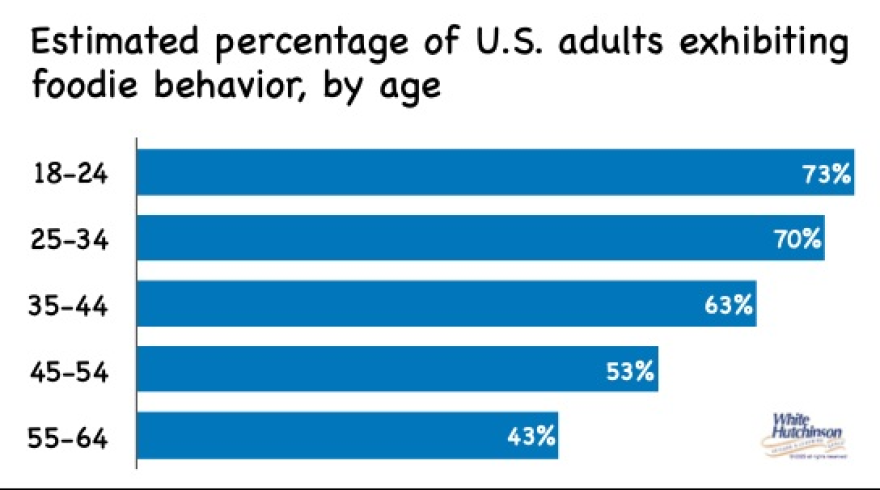
Now is the time to jazz up your food and drink menu to capitalize on 2026's food trends and increase your agritourism venue's appeal to the majority adults who are food adventurers.
Subscribe to Agritourism Today