

Vol. IV, No. 6, May 2026
Homeschooler field trip opportunities
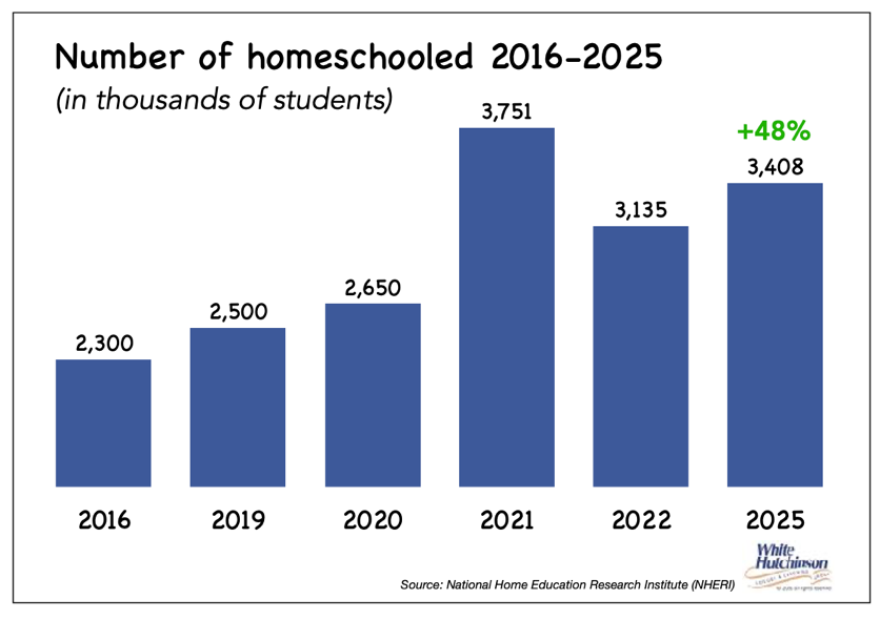
There were about 3.4 million homeschool students in grades K-12 in the United States in 2024-2025 school year, representing 6.3% of the total school-age population. This is up from 2.3 million a decade ago, a 48% increase.
Homeschool field trips can be a valuable opportunity for agritourism farms because they provide weekday revenue, build community relationships, and create repeat visitation opportunities. Unlike traditional school groups, homeschool families often have flexible schedules. They seek field trips with other homeschool families, often several times a month, so their children can develop social skills while also gaining hands-on educational experiences that align with science, agriculture, history, nutrition, and nature-based learning goals.
Farms naturally provide an ideal setting for this through animal encounters, crop education, pollinator lessons, maple syrup demonstrations, cider-making, pumpkin growing, and sustainability topics. Parents also appreciate wholesome outdoor environments that reduce screen time and foster curiosity.
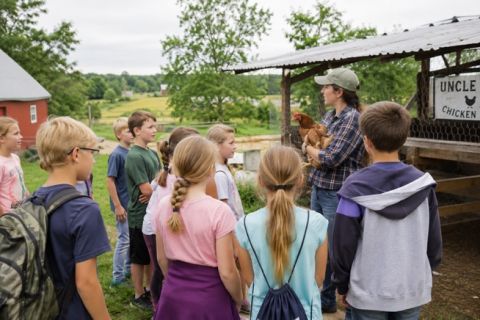
To succeed, agritourism farms should structure homeschool field trips differently from their large, traditional school tours. A successful program often includes three components: an educational lesson, a hands-on activity, and free-play or exploration time. For example, a fall homeschool field trip might include a lesson on pumpkins and pollination, a wagon ride, and access to a play area or a corn maze.
Different age groupings (K-2, 3-5, 6-8, 9-12) are common at larger agritourism farms, allowing families with multiple kids to attend the same day.
Parents often join local homeschool groups, co‑ops, or Facebook groups to coordinate group field trips and meet minimum headcount requirements for tours and discounts.
Packaging programs at affordable per-child rates and offering sibling discounts can increase participation. Farms can also build loyalty through homeschool memberships, seasonal learning series, or multi-visit educational programs. Over time, homeschool families often become some of the farm's most loyal repeat customers and strongest word-of-mouth promoters.
Subscribe to Agritourism Today