


Vol. IV, No. 6, May 2026
Taking advantage of the IKEA effect
The IKEA effect is the tendency for people to value something more when they helped create it, making it highly relevant to agritourism farms. Research on the effect shows that effort in making something can increase attachment, perceived value, and even willingness to pay. The opportunity is not only better guest engagement but also stronger differentiation from the competition. Farms become more attractive when they offer experiences that feel personally earned, memorable, and even transformative.
That insight has major implications for farms trying to stand out in a crowded out-of-home entertainment and agritourism market. U-pick is the clearest example. When guests harvest their own berries, apples, flowers, or pumpkins, they do not just buy produce; they help create part of the experience. The IKEA effect allows many farms to charge admission for u-pick and a premium for crops. Workshops that let visitors turn farm products into finished goods, such as bouquets, wreaths, jams, pickles, cider, candles, bread, cheese, or herbal products, generate high profit margins from these hands-on, transformative experiences.
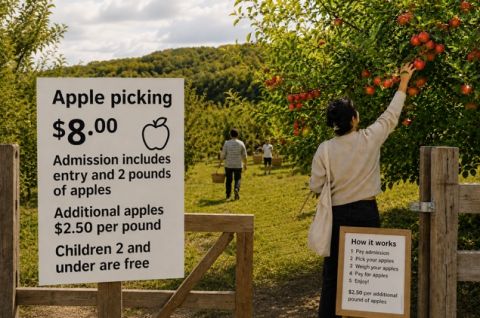
The same pattern extends well beyond u-pick and workshops. Cut-your-own Christmas trees are powerful because families choose, cut, and haul their own tree, turning a routine purchase into a ritual shaped by effort and memory. Farm-to-table dinners can activate the IKEA effect when guests harvest herbs, assemble part of a dish, garnish a course, or otherwise help complete the meal. Farm stays with optional chores, hands-on animal care, and short farm-skills classes, such as seed starting, pruning, composting, or preserving, also fit because visitors leave with a sense of accomplishment, not just attendance.
Applying the IKEA effect matters because today's agritourism customer is often looking for more than entertainment. Participatory formats can make a farm more appealing by positioning it as a place for learning, self-expression, family bonding, and personal renewal, especially when experiences help guests reconnect with food, seasonality, craft, and rural life. That is where the IKEA effect overlaps with transformative experiences.
Participatory farm experiences can make a property more attractive by offering guests more than entertainment; they offer learning, connection, self-expression, and a temporary shift in identity from spectator to harvester, maker, caretaker, or cook. That kind of authorship turns a pleasant outing into a meaningful memory and helps position a farm as a place of renewal, discovery, and personal relevance.
For agritourism farms, the takeaway is strategic: the most compelling agritourism activities are not always the most polished or passive, but rather those in which guests do meaningful, manageable work and end up with something tangible, memorable, and personally earned. In a crowded market, that can make a farm stand out as more than just fun. Guests not only value the farm more but are also willing to pay a premium for the experience.
Subscribe to Agritourism Today