
This is a print-friendly version of www.whitehutchinson.com/news/lenews/2025/august/article103.shtml

[ Index of Previous eNewsletters (www.whitehutchinson.com/ news/ lenews/ previous.shtml) ]
The feasibility study is perhaps the most misunderstood aspect of developing a location-based entertainment venue (LBE). Yet, it is the most important step, as mistakes at this early stage can permanently handicap the project's performance, perhaps fatally. A good feasibility study is more than just a set of financial projections that is incorporated into the overall business plan. Done properly, it becomes the market-driven strategic plan that is the road map for all subsequent project decisions. As much as answering the question "Is a project feasible?" a good feasibility study starts with the question of what is most feasible.
This is the mistake that most feasibility studies make. A potential developer typically comes up with a site and an attraction mix and hires a consultant to develop financial projections. That misses two of the most important aspects of assuring the project will be successful - is that the most feasible mix and is it an optimal location for success?
Our company works with clients by starting the feasibility process by analyzing the market to answer those two questions. We first identify and analyze competition, identify the site's potential trade areas based on drivetimes; patterns of travel and shopping; and physical, psychological barriers, and other factors. We then analyze its primary and secondary trade area demographics and socioeconomics. Only then is it possible to determine if an LBE project at that location is feasible, and if so, what mix of attractions and other project characteristics will be most feasible. Often, what we recommend to our client varies from what they originally proposed. Sometimes we tell them an LBE is probably feasible, but not at that site.
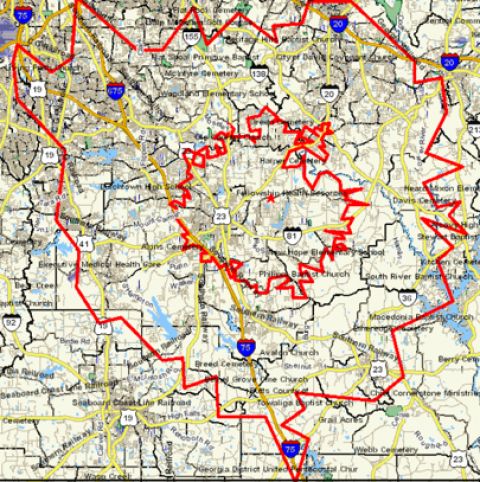
One major mistake we've seen in most feasibility studies is the trade areas are identified by mileage radiuses. That is not how consumers behave deciding on what local destinations to visit. Consumers make visit decisions based on drive-times, regular patterns of travel, and other factors. For example, if there is a river in the trade area, it normally will divide trade areas. If there are residents five miles away from the site on the other side of the river, in most cases they will stay on their side of the river and not visit the LBE. In larger cities, the market will divide up into different trade areas based on the location of major retail and restaurant clusters.
With many clients, we often start with a lower cost preliminary market and site evaluation (www.whitehutchinson.com/ leisure/ prelimeval.shtml) or a one-day consultation (www.whitehutchinson.com/ leisure/ consultation.shtml) before proceeding with more extensive full feasibility analysis and report.
Only once the market feasibility and project are defined is it wise to proceed with the next three phases of a feasibility study:
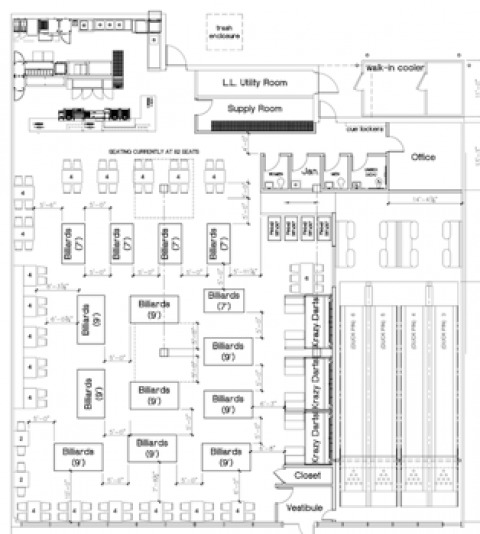
The feasibility study is the foundation for an LBE's success. Mistakes, shortcuts, or oversights in any aspect of preparing the feasibility study can seriously handicap or doom the project.
For a more detailed explanation of a feasibility study, see:
Subscribe to monthly Leisure eNewsletter (www.whitehutchinson.com/ subscribe/ lenews/ )
[ Index of Previous eNewsletters (www.whitehutchinson.com/ news/ lenews/ previous.shtml) ]
© 1999 - 2026, White Hutchinson Leisure & Learning Group, Inc.
The contents of this website and eNewsletters are protected by USA and international copyright law. Permission is granted to download and print single copites of any of the contents or articles for personal use. No other copies may be made. Educational institutions may obtain permission to make multiple copies for classroom use by e-mailing us with details. The contents of articles may be quoted provided credit is given to the "(author's name), White Hutchinson Leisure & Learning Group, Kansas City, MO, USA". All other rights for use or reproduction of the contents and articles are reserved.